
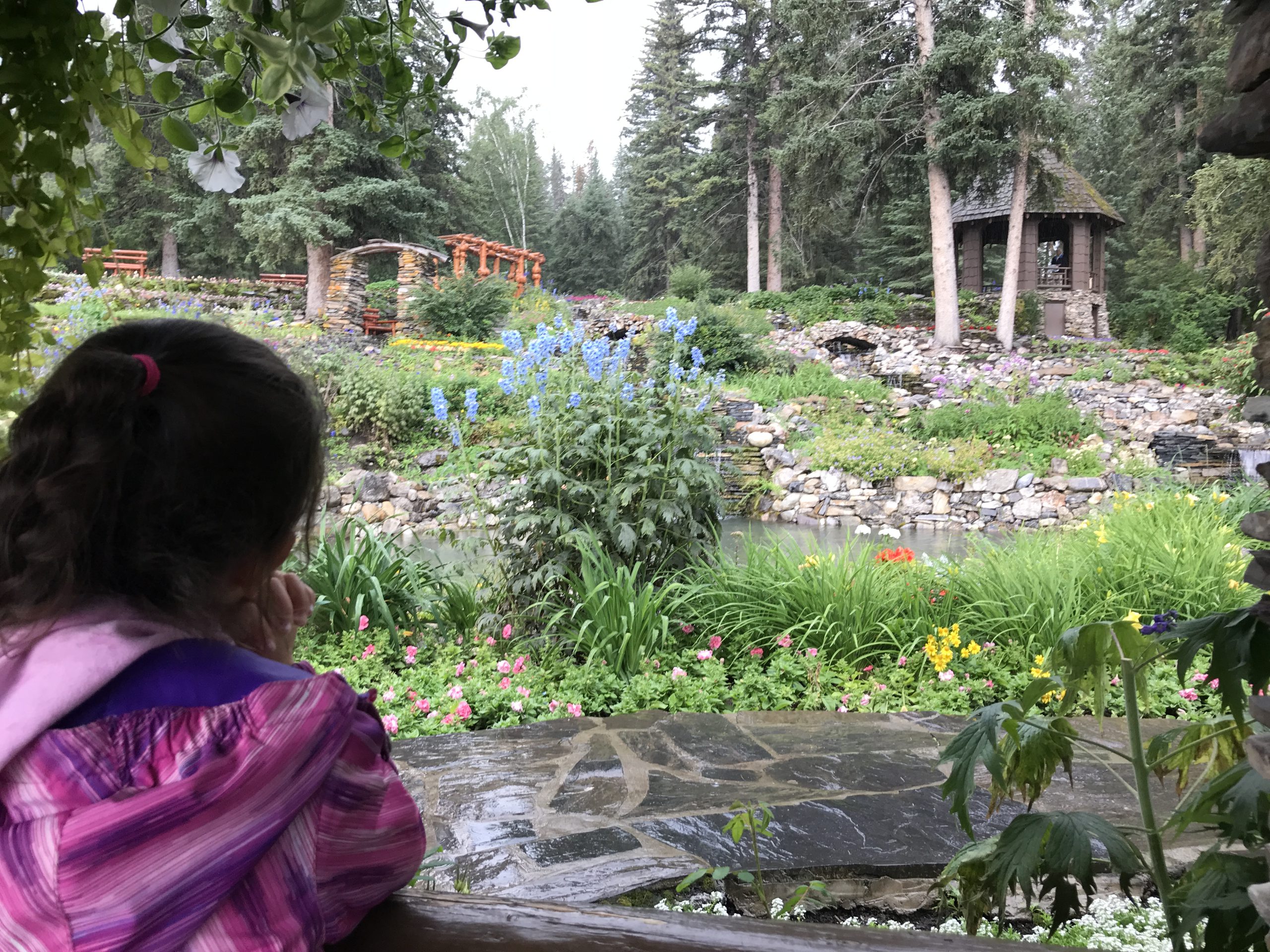
Northern residents are a hardy breed. It’s as true for people as it is for plants! Zone 3 and 4 gardening is challenging. Between brutal cold, late frosts, and unpredictable weather in general, our perennials need to be tough – not just optimistic.
There are lots of full sun perennials that thrive in Zone 3 and 4 and come back year after year with minimal fuss. These sun-loving, cold-hardy perennials can handle hot summers, frigid winters, and everything in between, making them perfect for prairie and northern gardens.
Land Acknowledgement
This land has welcomed First Nations from across Turtle Island, and settlers and visitors from around the world. Alberta lands are part of Treaties 4, 6, 7, 8 and 10, and the homeland of the Métis.
Alberta Mamas respects and celebrates the sovereignty, lands, histories, languages, knowledge systems and cultures of all Indigenous, Métis, and Inuit nations. We are striving to better listen, understand, and learn from the Indigenous ways of knowing, being and doing.
We are all Treaty people.
Table of Contents
What “Full Sun” Means in Zone 3 & 4
Full sun means at least 6–8 hours of direct sunlight per day. Full sun often helps plants establish faster and bloom more reliably during our shorter growing season.
Black-Eyed Susan (Rudbeckia)
Also known as Gold Coneflower, Yellow Ox-eye Daisy, Brown-Eyed Susan, Brown Better, Golden Jerusalem, English Bull’s Eye, and Yellow Daisy
- Hardiness Zone: 3–9
- Size: Height: 24–36 inches; Spread: 12–24 inches
- Bloom Time: July–September
- Colour: Yellow
Black-Eyed Susans are popular, but are aggressive self-seeders. If you intend to plant them, be sure to dead-head spent blooms (cut off dead flowers) before they go to seed.
Blanket Flower (Gaillardia)
- Hardiness Zone: 3–12
- Size: Height: 8–36 inches; Spread: 12–36 inches
- Bloom Time: June–September
Blue Star
- Hardiness Zone: 3–9
- Size: Height: 12–36 inches; Spread: 12–36 inches
- Bloom Time: June–July
Catmint (Nepeta)
- Hardiness Zone: 3–8
- Size: Height: 12–36 inches; Spread: 12–36 inches
- Bloom Time: June–September
Visually, catmint is a great alternative to lavender that is hardy in Zone 3.
Columbine

- Hardiness Zone: 3–9
- Size: Height: 24–36 inches; Spread: 12–24 inches
- Bloom Time: June–July
Coneflower (Echinacea)
- Hardiness Zone: 3–9
- Size: Height: 24–48 inches; Spread: 12–36 inches
- Bloom Time: June–September
- Colour: White, purple, yellow, orange, red, pink
Coreopsis (Tickseed)
- Hardiness Zone: 2–11
- Size: Height: 12–24 inches; Spread: 12–24 inches
- Bloom Time: June–September
Crocus
- Hardiness Zone: 3–8
- Size: Height: 3–6 inches; Spread: 1–6 inches
- Bloom Time: April–May
Tip: Check out Autumn Crocus for fall crocus blooms!
Daylily (Hemerocallis)
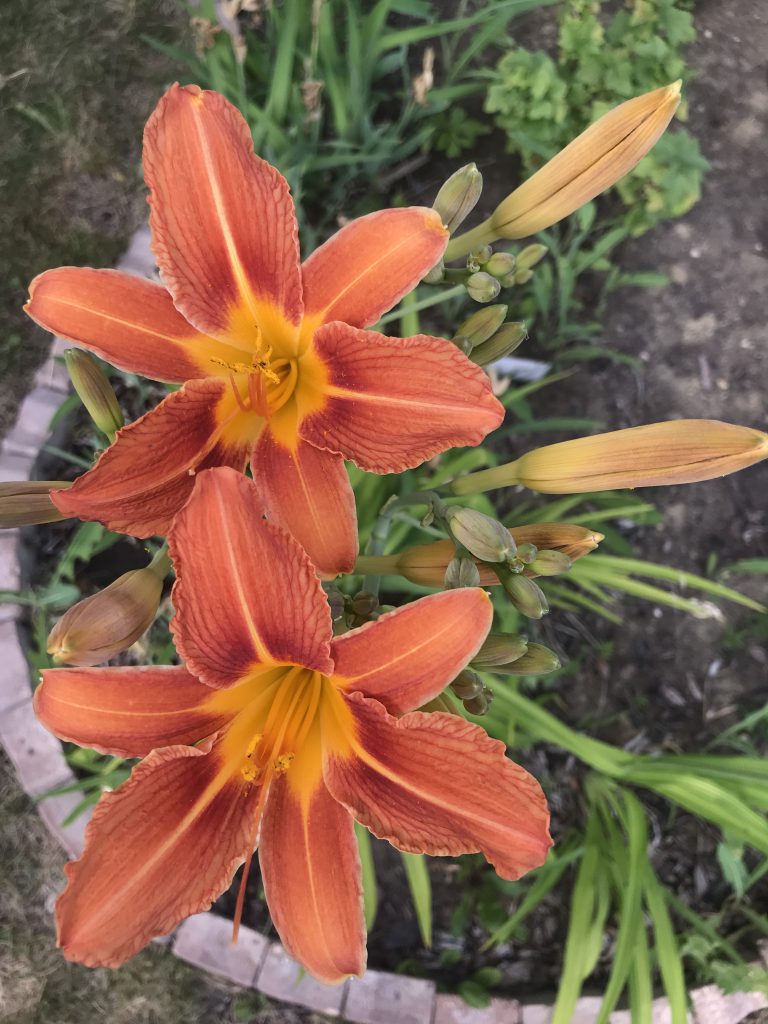
- Hardiness Zone: 2–9
- Size: Height: 18–60 inches; Spread: 18–24 inches
- Bloom Time: June–August
- Colours: White, Red, Yellow, Pink, Purple, Orange
There is massive variety in size and colour for daylilies. Look into the specifics of the variety you intend to plant. Most are hardy in Zone 3, and some survive in Zone 2.
False Indigo (Baptisia)
- Hardiness Zone: 3–9
- Size: Height: 24–48 inches; Spread: 24–48 inches
- Bloom Time: May–June
Most False Indigo are hardy in Zone 4. For Zone 3 try Baptisia australis or Baptisia bracteate.
Giant Hyssop
- Hardiness Zone: 2–9
- Size: Height: 12–72 inches; Spread: 12–36 inches
- Bloom Time: July-Septemember
Try Nettleleaf or Yellow Giant Hyssop for the hardiest varieties.
Globe Thistle (Echinops)
- Hardiness Zone: 3–10
- Size: Height: 24–48 inches; Spread: 12–36 inches
- Bloom Time: July–August
Goat’s Beard
- Hardiness Zone: 3–7
- Size: Height: 24-48 inches; Spread: 12–48 inches
- Bloom Time: June-July
Hollyhock
- Hardiness Zone: 3–9
- Size: Height: 4-8 feet; Spread: 12–24 inches
- Bloom Time: July-August
Iris
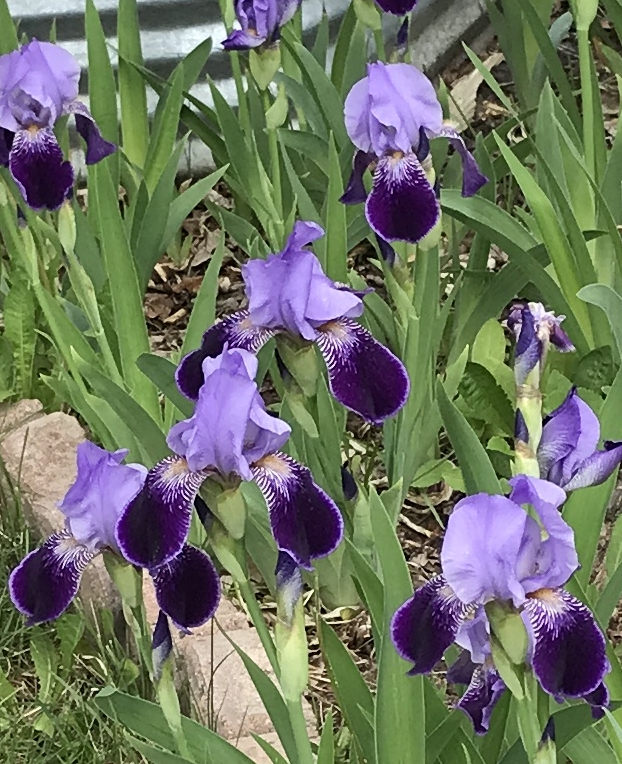
- Hardiness Zone: 3–9
- Size: Height: 12–36 inches; Spread: 12–36 inches
- Bloom Time: May–June
Irises are a mid-spring stunner! They come in just about every colour out there. If you’re looking for extra tall irises, check out Caesar’s Brother. For tiny, hardy irises, Milky Iris may hit what you’re looking for. Gold-Marked Iris is a stunning, black bloom!
Lady’s Mantle
- Hardiness Zone: 3–8
- Size: Height: 5–24 inches; Spread: 12–24 inches
- Bloom Time: June-July
Lupine
- Hardiness Zone: 3–10
- Size: Height: 12–60 inches; Spread: 12–36 inches
- Bloom Time: June–July
You need to be very selective with your lupine variety. Some are only hardy in Zone 8, others are hardy to Zone 3 (e.g. Bigleaf Lupine, Wild Lupine).
Milkweed
- Hardiness Zone: 3–9
- Size: Height: 24-60 inches; Spread: 12–36 inches
- Bloom Time: July-September
Watch the hardiness of the specific variety you want to plant. Some options for Zone 3 include Butterfly, Cinderella, Common, Swamp, Purple, and Showy Milkweed.
Monkshood (Aconite)
- Hardiness Zone: 3–8
- Size: Height: 24–60 inches; Spread: 12–24 inches
- Bloom Time: August–September
Peony
- Hardiness Zone: 2–8
- Size: Height: 24–36 inches; Spread: 24–36 inches
- Bloom Time: May–June
Phlox (Garden Phlox)
- Hardiness Zone: 3–8
- Size: Height: 12–60 inches; Spread: 12–36 inches
- Bloom Time: July–September
Most phlox varieties are hardy in Zone 4. “Early” varieties seem less hardy. Watch the zones for Phlox if you’re in Zone 3 – there are some that aren’t hardy.
Russian Sage (Salvia yangii)
- Hardiness Zone: 4–9
- Size: Height: 24–48 inches; Spread: 24–36 inches
- Bloom Time: July–September
Sedum (Stonecrop)
- Hardiness Zone: 2–9
- Size: Height: 3–24 inches; Spread: 12–24 inches
- Bloom Time: August–October
With a wild variety of foliage, there’s a sedum for everyone. They make amazing ground cover and bring unique interest to garden borders. Make sure to check the hardiness of the particular variety you are purchasing, as some will not survive Alberta winters, but many will.
Threadleaf Coreopsis – “Grandiflora”
- Hardiness Zone: 3–9
- Size: Height: 12–24 inches; Spread: 12–24 inches
- Bloom Time: June–July; September (if cut back after first bloom)
Note that most other varieties are only hardy to Zone 5.
Veronica (Speedwell)
- Hardiness Zone: 3–8
- Size: Height: 6–36 inches; Spread: 12–36 inches
- Bloom Time: June–August
Limited options for Zone 3 (Aztec Gold, Culver’s Root), but most are hardy to Zone 4.
Yarrow (Achillea)
- Hardiness Zone: 2–8
- Size: Height: 12–36 inches; Spread: 12–48 inches
- Bloom Time: June–September
- Colours: Yellow, pink, purple, red, orange, white
More Full Sun Perennials
There’s no shortage of full sun perennials for Zones 3 and 4! Here are even more for you to consider planting in your garden:
- Asparagus
- Aster
- Astilbe
- Bachelor Buttons/Cornflower
- Beardtongue/Penstemon
- Bee Balm
- Bellflower & Balloon Flower (NOT Creeping Bellflower, but other varieties are beautiful)
- Bergenia
- Blazing Star
- Bleeding Heart
- Bluebell/Squill/Scilla
- Camas
- Cockscomb
- Coral Bells
- Creeping Jenny
- Culver’s Root
- Daffodil
- Delphinium/Candle Larkspur
- Dianthus/Sweet William/Pinks
- Gas Plant
- Geranium/Cranesbill
- Globe Flower
- Glory of the Snow
- Goldenrod
- Helenium/Sneezeweed
- Hens and Chicks
- Honeysuckle
- Hosta/Plantain Lily
- Indian Paintbrush
- Jacob’s Ladder
- Lilac (try Baby Kim to keep it small)
- Lilies (select varieties of Martagon, Oriental, Tiger, etc)
- Lily of the Valley
- Obedient Plant/Physostegia
- Poppy
- Queen of the Prairies
- Salvia/Sage (select varieties)
- Sedge grass
- Snowdrop
- Soapwort
- St John’s Wort (check the specific variety)
- Viola/Johnny Jump Ups (self seeding)
Looking for more?
Check out these posts:
- Easy to Grow Flowering Perennials for Zone 3a
- 40 Shade Loving Perennials for Zone 3a (with Photos!)
- Save on Plants with Alberta Plant Exchanges
- Have you been to the University of Alberta Botanic Gardens lately?
- 5 reasons we love the St Albert Botanic Park
Keep in mind that perennials need some time to establish themselves. Newly planted perennials are usually much smaller than their final size. While some may reach their full size within a few years, others may take five to ten years or more to mature.
Be patient, enjoy the process, and take some time to smell the flowers!
Can you make this article better?
We’re always looking to improve! Have you noticed a spelling or information error, know of something we left out, or would like to share anything else, reach out to us!
- Email us at hello@albertamamas.com
- Get social on Facebook, Instagram, TikTok, Twitter/X, and Pinterest
- Use our Contact Us form
- Write your own post for us!